

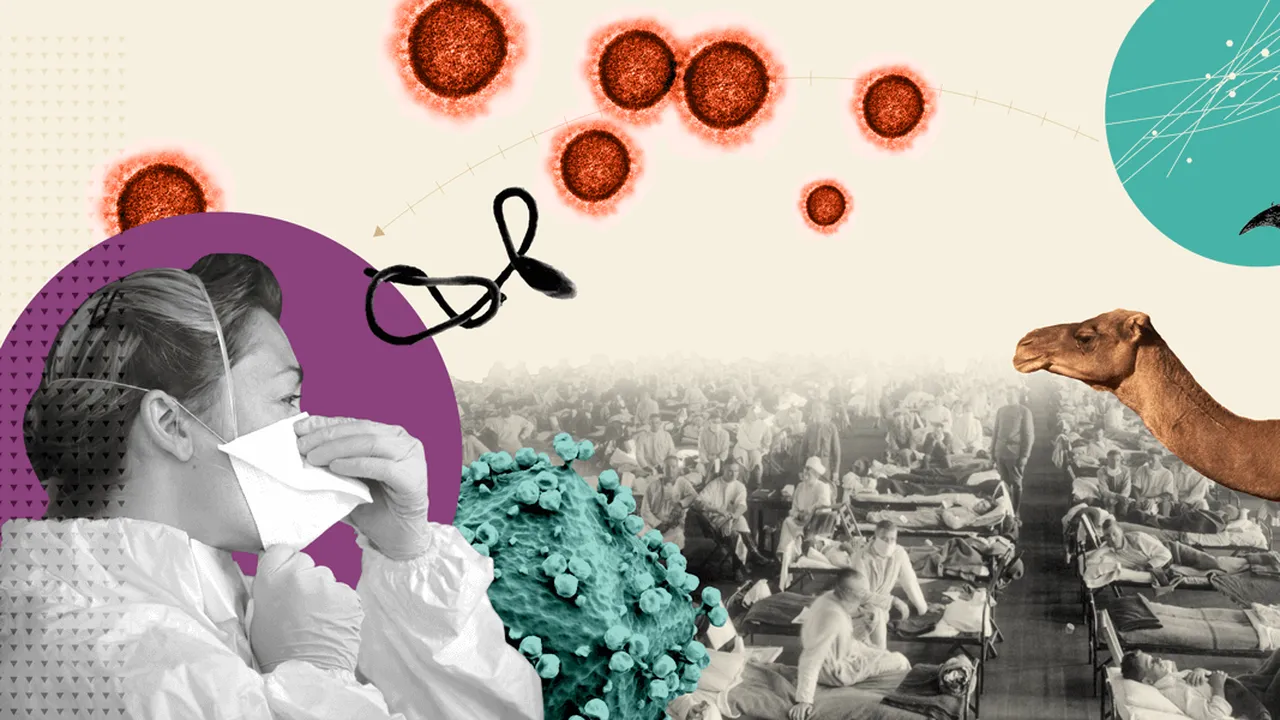
Highly lethal viruses did not evolve with the intention of killing humans. Their danger is largely a product of evolutionary mismatch and biological accident.
Key Reasons
- High mutation rates — RNA viruses (like influenza and HIV) mutate rapidly, producing new variants that may be more or less lethal.
- Zoonotic spillover — Most dangerous human viruses originated in animals. When a virus jumps to a new host species (humans), it is not yet adapted to coexist without causing serious harm.
- Host adaptation imbalance — A virus in its natural host has typically evolved toward a stable, less-lethal relationship. In a new host, this balance has not yet been reached.
Conclusion
“Man-killing” viruses are not designed to kill us; they are the result of spillover from animals and rapid mutation. Lethality often decreases over time as the virus adapts to its new host, but the initial jump can be devastating.





Leave a comment