
Disease & Epidemiology
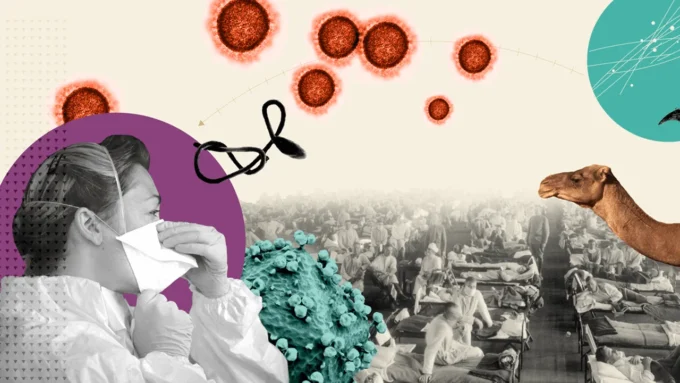
Why Did Man-Killing Viruses Evolve?
Highly lethal viruses did not evolve with the intention of killing humans. Their danger is largely a product of evolutionary mismatch and biological...
 Team ACMFebruary 22, 2026
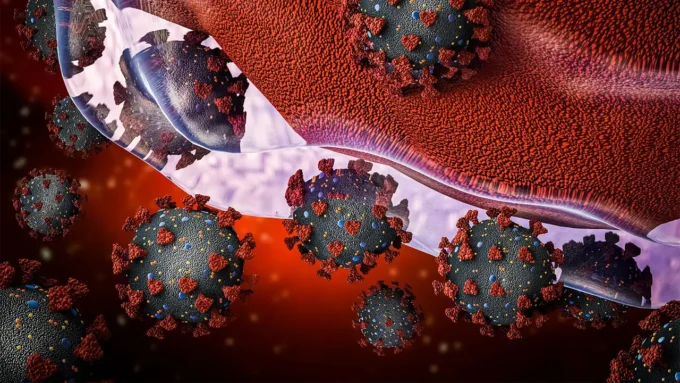
Why is the Number of Diseases Increasing?
The rise in disease burden globally is driven by multiple overlapping factors. Key Factors Environmental changes and habitat destruction increasing human-wildlife contact Globalization...
Team ACMFebruary 22, 2026
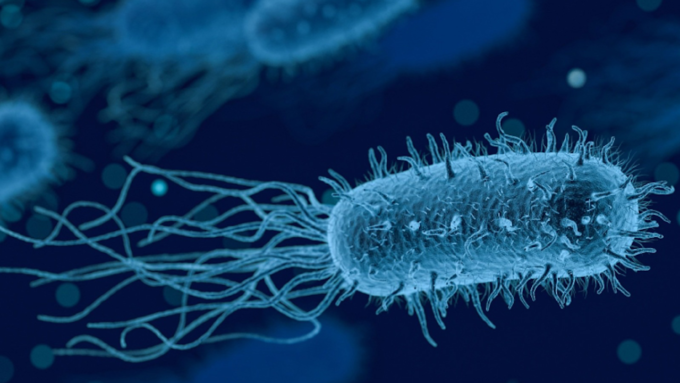
What Are the Causes of Infectious Diseases?
Infectious diseases are caused by pathogenic micro-organisms — germs — that enter the body, multiply and cause illness. The primary agents include viruses...
Team ACMFebruary 22, 2026
What Are the Reasons for Non-Communicable Diseases?
Non-communicable diseases (NCDs) — often called chronic diseases — are caused by a complex interplay of lifestyle, genetic, and environmental factors. Unlike infectious...
Team ACMFebruary 22, 2026
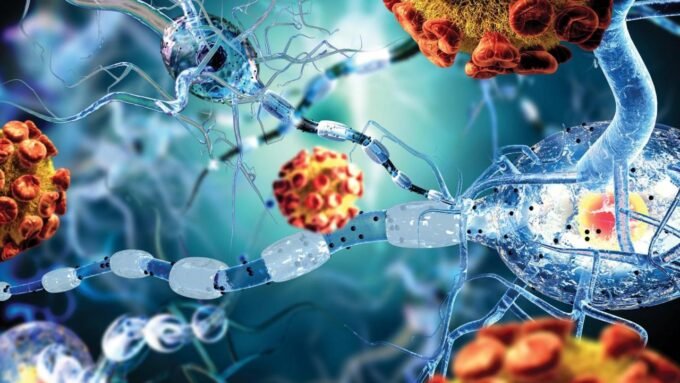
What Are the Reasons for Autoimmune Diseases?
Experts believe that autoimmune diseases result from a complex interaction of genetic, environmental, and hormonal factors. The immune system mistakenly attacks healthy tissue,...
Team ACMFebruary 22, 2026

What Are the Reasons for Mental Illness?
Mental illness arises from a complex interplay of genetic, biological, environmental, and social factors rather than a single cause. Key contributors include inherited...
Team ACMFebruary 22, 2026



What Are the Reasons for Congenital Anomalies?
Congenital anomalies, or birth defects, result from a complex mix of genetic, environmental, and unknown factors, with approximately 50–70% of cases having no...
Team ACMFebruary 22, 2026
