

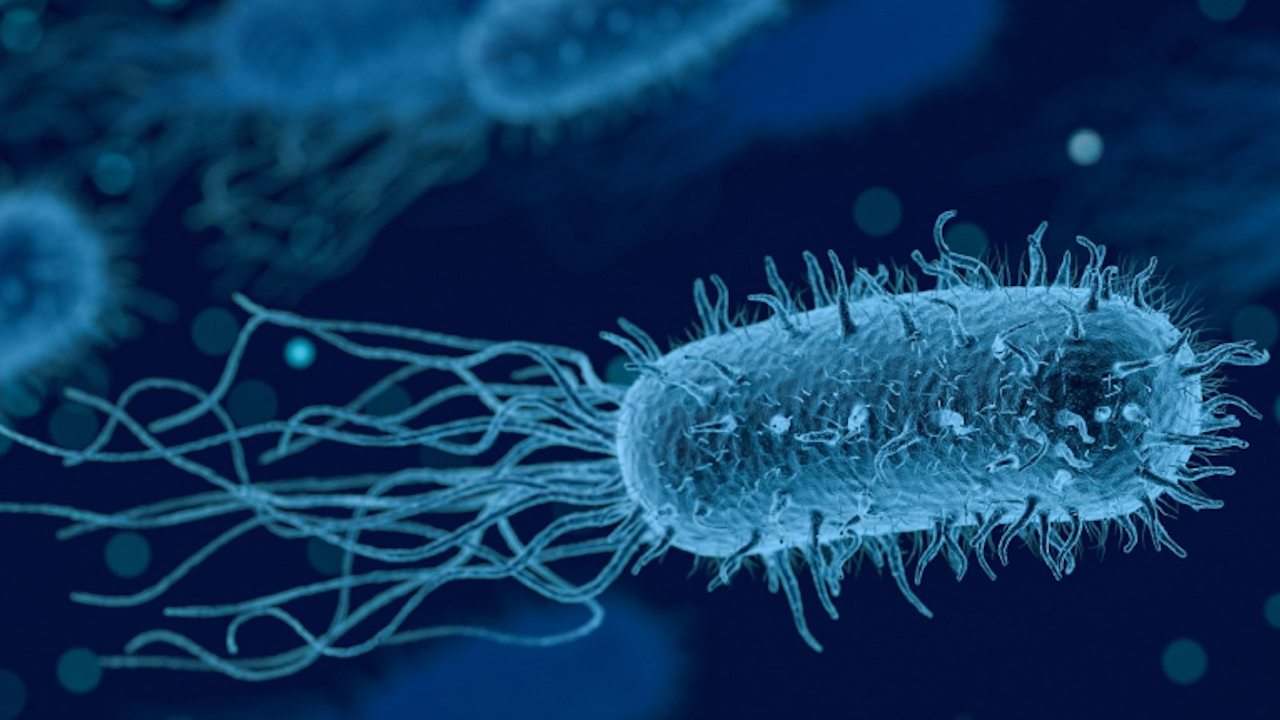
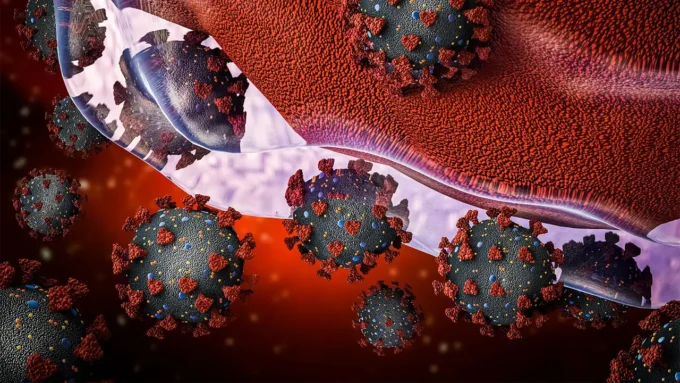
Infectious diseases are caused by pathogenic micro-organisms — germs — that enter the body, multiply and cause illness. The primary agents include viruses (e.g. COVID-19), bacteria (e.g. strep throat), fungi (e.g. ringworm), and parasites (e.g. Malaria). These pathogens spread through direct contact, airborne droplets, contaminated food/water, or vectors like insects.
Types of Pathogens
| Type | Description | Examples |
| <strong>Viruses</strong> | Tiny organisms that hijack cells to multiply | AIDS, Chickenpox, Common Cold |
| <strong>Bacteria</strong> | Single-celled organisms causing infections | Strep throat, UTIs, Tuberculosis |
| <strong>Fungi</strong> | Organisms causing skin and systemic infections | Athlete’s foot, Ringworm |
| <strong>Parasites</strong> | Organisms living on or in a host | Malaria (protozoa), Tapeworms |
| <strong>Prions</strong> | Rare infectious protein particles | Creutzfeldt-Jakob disease |
Conclusion
Infectious diseases share a single cause: pathogenic microbes (viruses, bacteria, fungi, parasites, or prions) entering the body and replicating. Knowing the type of pathogen and how it spreads is the basis for prevention, treatment, and control.


Leave a comment