

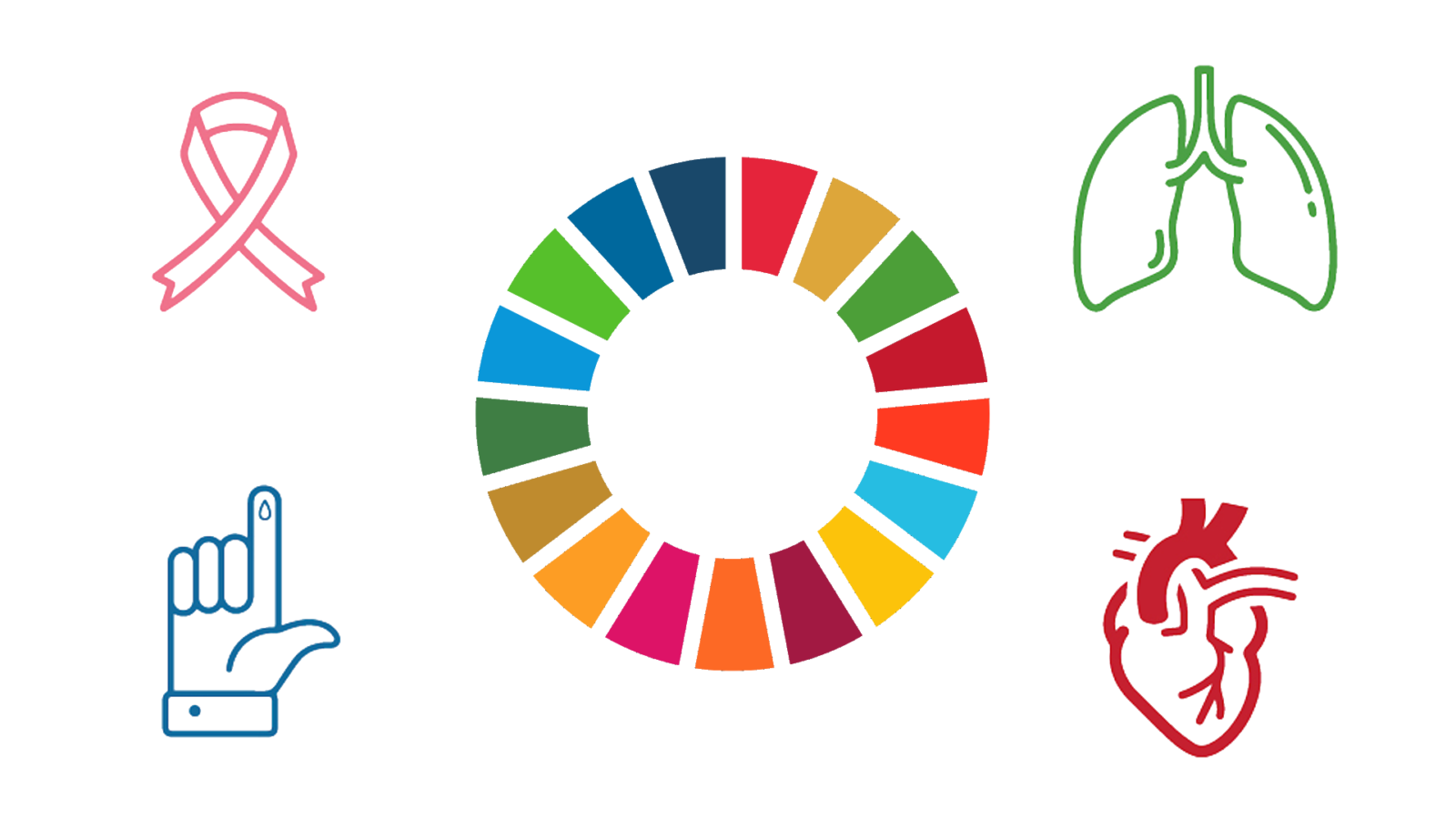
Non-communicable diseases (NCDs) — often called chronic diseases — are caused by a complex interplay of lifestyle, genetic, and environmental factors. Unlike infectious diseases, they are generally long-lasting and do not spread from person to person.
1. Modifiable Behavioural Factors
Most NCD deaths are linked to four specific behaviours that can be changed to improve health:
- Tobacco Use: Smoking and exposure to second-hand smoke are leading causes of cancer, heart disease, and chronic lung conditions.
- Unhealthy Diet: Diets high in sodium, sugars, and unsaturated fats — and low in fruits and vegetables — significantly increase disease risk.
- Physical Inactivity: A sedentary lifestyle contributes to roughly 1.6 million deaths annually from conditions like heart disease and diabetes.
- Harmful Use of Alcohol: Excessive consumption is a major causal factor for several types of cancer and cardiovascular diseases.
2. Metabolic Risk Factors
- Raised blood pressure
- Overweight and obesity
- Hyperglycemia: High blood glucose levels
- Hyperlipidemia: High levels of cholesterol
3. Environmental and Genetic Factors
- Environmental pollution
- Genetics
- Socioeconomic factors
Conclusion
NCDs are largely driven by modifiable behaviours (tobacco, diet, inactivity, alcohol), metabolic factors (blood pressure, weight, glucose, lipids), and genetics and environment. Prioritising lifestyle changes and early management of metabolic risk can prevent or delay much of the global NCD burden.






Leave a comment