

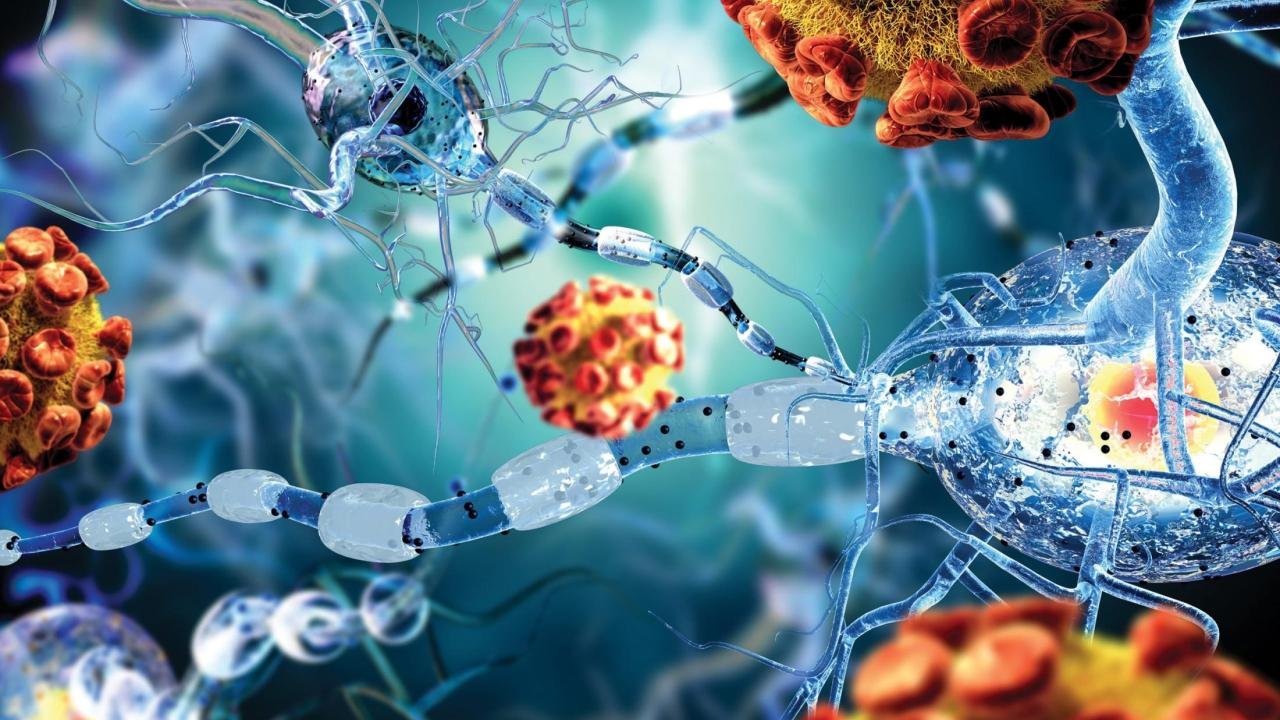
Experts believe that autoimmune diseases result from a complex interaction of genetic, environmental, and hormonal factors. The immune system mistakenly attacks healthy tissue, but a specific cause for this malfunction is not known.
Key Contributing Factors
- Genetics: A predisposition to autoimmune disorders can run in families, meaning certain genes may increase risk. Having a family member with an autoimmune disease such as lupus or multiple sclerosis can raise a person’s risk, although not everyone with the genetic predisposition will develop a condition.
- Gender and Hormones: Most autoimmune diseases are far more common in women than in men. Hormonal changes — particularly fluctuations in estrogen levels during events like menstruation or pregnancy — are thought to play a role in this difference.
- Environmental Triggers: External factors are believed to trigger the onset of autoimmune diseases in genetically susceptible individuals. Potential triggers include:
– Infections
– Exposure to toxins
– Dietary components
– Other factors: obesity, stress, tissue damage, and certain medications
Conclusion
Autoimmune diseases arise when genetics, hormones, and environment interact: genes increase susceptibility, and factors such as infections, toxins, or stress can trigger the immune system to attack the body’s own tissues. A single universal cause remains unknown; management focuses on controlling inflammation and symptoms.






Leave a comment