

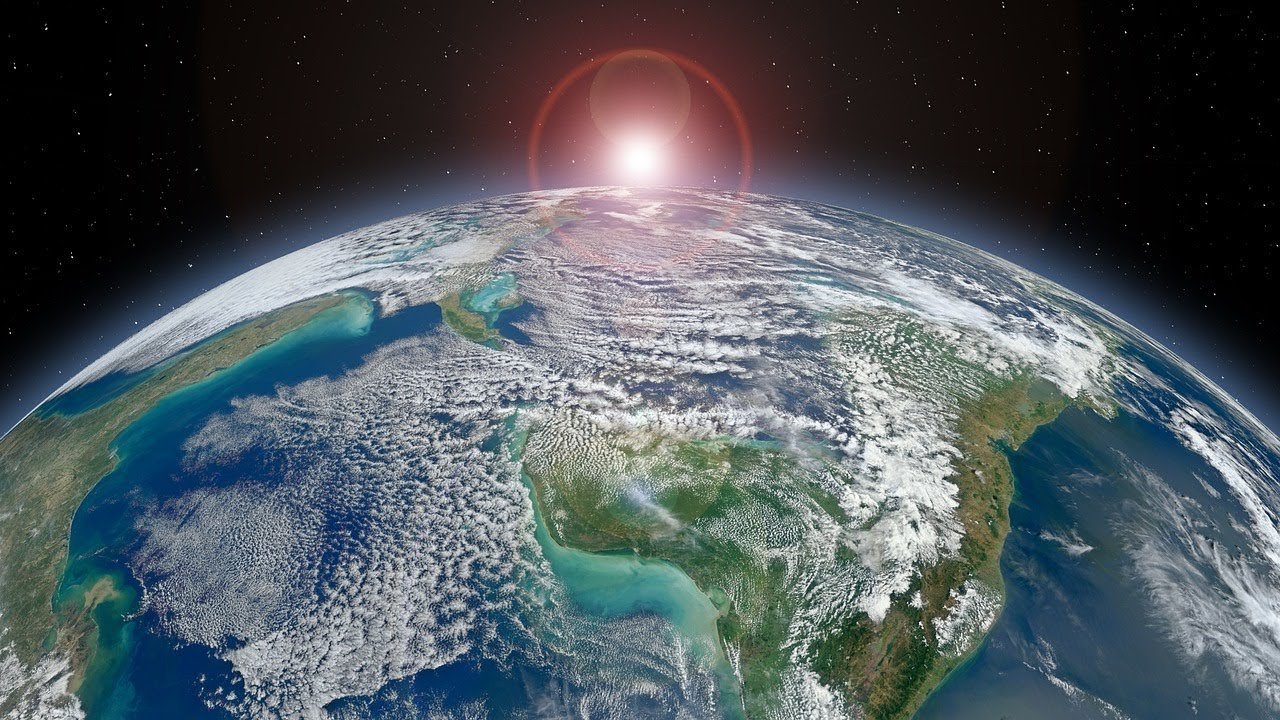
Life on Earth is believed to have emerged approximately 3.5–3.8 billion years ago, though the exact mechanism remains one of science’s greatest open questions.
Essential Requirements for Life
Three conditions were necessary for life to arise:
- Carbon-based molecules — the building blocks of all known life
- Liquid water — a solvent for chemical reactions
- An energy source — such as hydrothermal vents, lightning, or sunlight
The Role of Comets and Asteroids
Comets and asteroids may have delivered complex organic molecules — including amino acids — to early Earth, seeding the chemical conditions for life. Experiments like the Miller-Urey experiment demonstrated that amino acids can form from simple inorganic compounds under early Earth conditions.
Conclusion
Life began when carbon chemistry, liquid water, and an energy source coincided — possibly in shallow pools, hydrothermal vents, or with a helping hand from space-delivered organics. The exact pathway from non-life to life remains unknown, but the building blocks and conditions are increasingly well understood.
# Category 2: Human Evolution & Anthropology
Tags: `human-evolution` `anthropology` `clothing` `Paleolithic` `migration` `adaptation` `mortality`





Leave a comment