

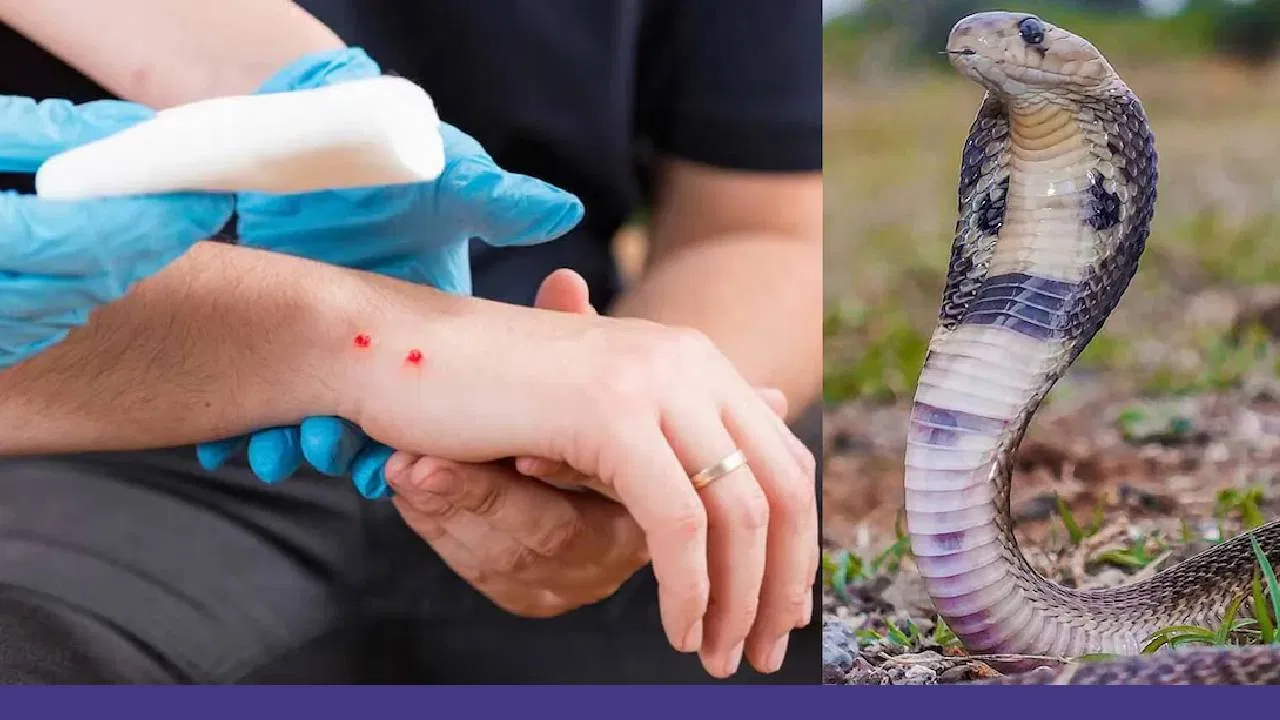
Animals survive snake bites through specialized evolutionary adaptations, including evolved blood proteins that neutralize venom, specialized nerve receptors that prevent neurotoxins from binding, and physical barriers like thick fur or fat. Common resistant species include mongooses, honey badgers, pigs, and opossums, which often prey on snakes.
Key Survival Mechanisms
- Molecular Resistance: Animals like mongooses and hedgehogs have evolved nerve receptors that are shaped differently, preventing venom toxins from attaching and causing paralysis.
- Venom-Neutralizing Proteins: Some animals such as honey badgers, hedgehogs, and opossums have developed specialized proteins in their blood that can essentially neutralize venom, acting as a natural antivenom.
- Physical Protection: Thick skin, fur, and fat layers can stop fangs from reaching vital blood vessels, reducing the amount of venom injected.
- High Metabolic Tolerance: Some animals like the honey badger have a high natural tolerance, allowing them to recover from even large doses of venom, sometimes only suffering temporary paralysis before waking up.
- Behavioural Speed: Mongooses rely on extreme agility and speed to dodge and exhaust snake strikes, aiming to kill the snake before getting bitten.
Examples of Resistant Animals: Mongoose, Honey Badger, Opossum, Hedgehog, Pigs
Conclusion
Snake-bite survival in animals is a product of evolution: molecular resistance (receptors, venom-neutralising proteins), physical protection (skin, fur, fat), tolerance, and behaviour (speed, evasion). Studying these adaptations can inform the design of better antivenoms and treatments for humans.





Leave a comment