

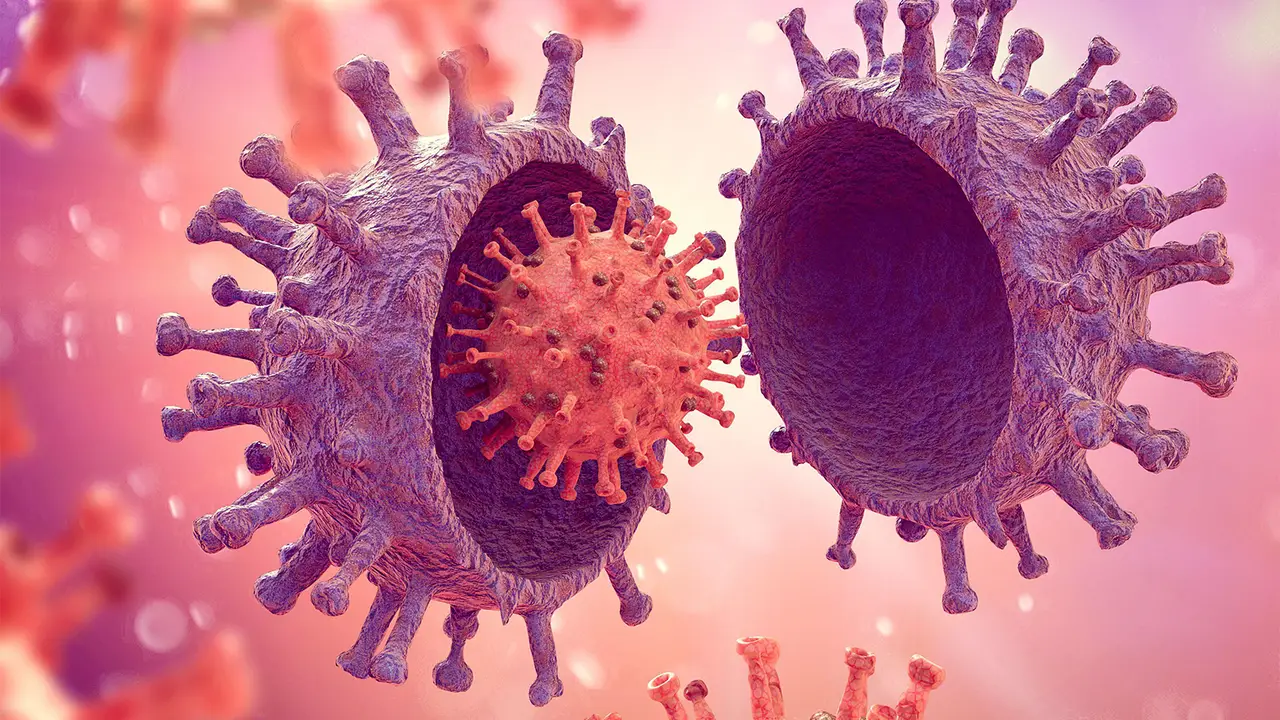
The origin of the Coronavirus remains a subject of ongoing scientific investigation and debate. While a definitive conclusion has not been reached, most researchers agree on two primary possibilities: zoonotic spillover (from animals to humans) and a laboratory-associated incident.
1. Zoonotic Spillover (Natural Origin)
The leading scientific theory is that the virus originated in wildlife and ‘spilled over’ into humans, likely through an intermediate animal host. SARS-CoV-2 is genetically similar to coronaviruses found in horseshoe bats, particularly the RaTG13 strain. However, there is an evolutionary gap of several decades between these bat viruses and the one that infected humans.
- The Wuhan Market: Many early cases in December 2019 were linked to the Huanan Seafood Wholesale Market in Wuhan, China. Recent studies have found genetic material from susceptible animals — such as raccoon dogs — in environmental samples from the market that also tested positive for the virus.
- Intermediate Hosts: Scientists are still searching for the specific animal that may have bridged the gap between bats and humans. Candidates have included pangolins, civets, and raccoon dogs, though none have been definitively proven as the source.
2. Laboratory-Associated Incident
This theory suggests the virus may have accidentally leaked from a research facility, specifically the Wuhan Institute of Virology, which is located near the initial outbreak site and is known for studying coronaviruses.
Conclusion
COVID-19 origin is still unresolved. The dominant scientific view favours zoonotic spillover via a wildlife market and an intermediate host; a lab-associated incident is considered possible but unproven. Continued, transparent investigation is needed to reduce future pandemic risk.




Leave a comment